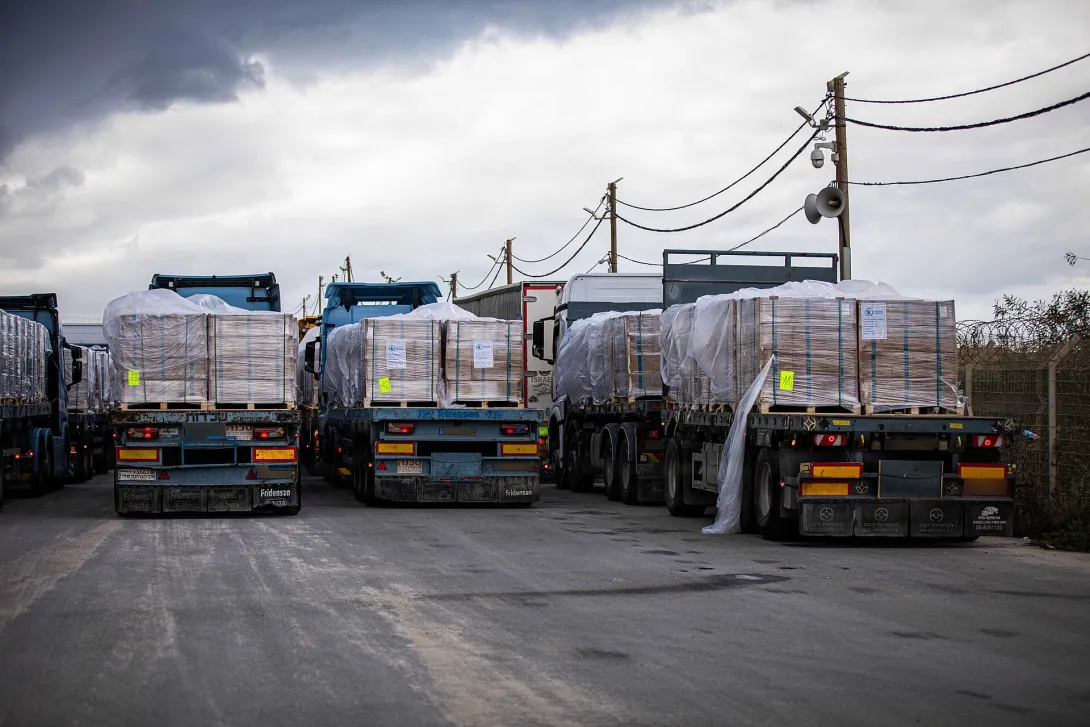
One year after a ceasefire agreement took effect in the Gaza Strip on October 10, 2025, human rights and aid organizations warn that ongoing Israeli military attacks, severe aid restrictions, and widespread destruction continue to devastate the Palestinian population.
According to Gaza's Ministry of Health, continuing Israeli military attacks during the year-long ceasefire have killed at least 1,400 Palestinians and wounded 4,881 others. These casualties have brought the recorded death toll in Gaza since October 2023 to over 74,000, including upwards of 21,000 children, while Plan International reported that 174,995 people have been injured over the course of three years of hostilities.
Reconstruction Stalled and Aid Severely Restricted
The ceasefire was intended to establish the framework for civilian recovery and humanitarian assistance. The Board of Peace, established under United Nations Security Council Resolution 2803, was mandated to assess compliance with the Comprehensive Plan to End the Gaza Conflict. However, Human Rights Watch stated that promised reconstruction has not yet begun, humanitarian supply volumes remain far below required levels, and critical access corridors have been repeatedly obstructed.
Human Rights Watch warned that “the outside world may be under a dangerous illusion that life in Gaza is returning to normal, but reality tells a very different story.” The organization noted that Israeli forces continue to deny sufficient food, aid, and water to residents of the enclave, asserting that acts of genocide and crimes against humanity have persisted throughout the truce.
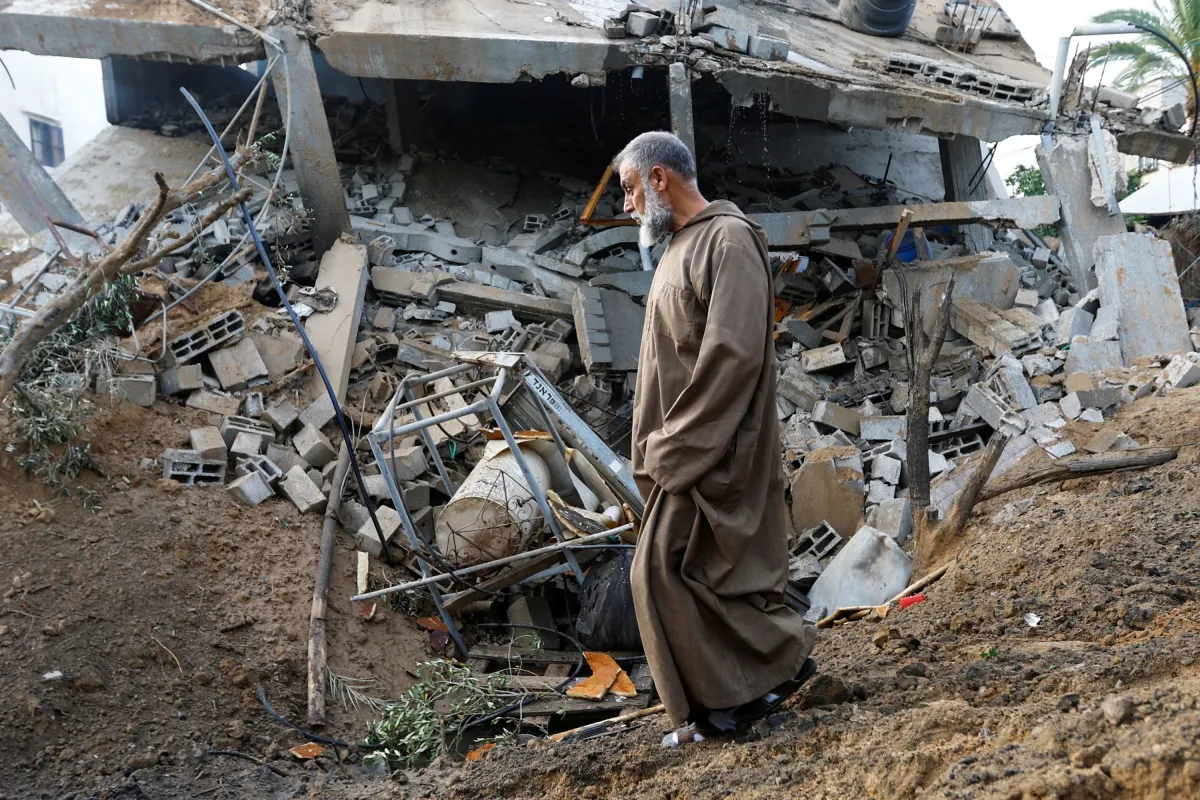
Physical destruction across the territory remains immense. The Palestinian Central Bureau of Statistics reports that approximately 80% of all buildings across the Gaza Strip have been damaged. For displaced residents, such as those from Beit Hanoun, the prolonged destruction has left families separated and children unable to attend school. Middle East Eye reported that roughly 1.65 million Palestinians are expected to face cold weather during the coming winter while sheltering in damaged buildings or worn-out tents.
Attacks have also continued to inflict civilian casualties. On October 7, 2026, Gaza officials reported that renewed Israeli strikes killed five people in the territory despite the nominal truce.
Healthcare System Faces Ongoing Collapse
The medical sector in Gaza has seen no meaningful recovery over the past year, according to an analysis released by Physicians for Human Rights Israel (PHRI). The group previously concluded in July 2025 that Israeli authorities were committing genocide by deliberately inflicting conditions calculated to bring about the destruction of the population, and it reported that those conditions have not eased.
Comparing Ministry of Health equipment lists from 2025 with those from the summer of 2026, PHRI found that severe deficits and depleted medical stockpiles failed to improve during the ceasefire and in some cases worsened. PHRI also followed more than a dozen cases of children who died while awaiting medical evacuation, as Israeli authorities continued to block the medical corridor connecting Gaza to hospitals in the West Bank and East Jerusalem.
Wider Regional Casualties
The impact of the ongoing conflict also extends across the occupied West Bank. According to figures documented by Plan International, at least 1,136 Palestinians, including at least 250 children, were killed in the West Bank between October 7, 2023, and mid-September 2026.
Marking three years since the escalation began, United Nations Secretary-General António Guterres urged that the ceasefire be made permanent and called for humanitarian assistance to be allowed into Gaza at scale.
.jpg)