A quarterly protection monitoring report published by the Danish Refugee Council on ReliefWeb shows that the humanitarian environment in the Gaza Strip during the second quarter of 2026 remains defined by protracted displacement, systemic collapse of services, and persistent hazards from unexploded munitions.
Entrenched Crisis Conditions
According to the report covering April to June 2026, the ceasefire agreed in October 2025 succeeded in lowering the intensity of military hostilities, but it did not lead to overall stabilization across the territory. Instead, humanitarian conditions evolved into an entrenched crisis marked by sustained insecurity, continued restrictions on humanitarian access, and the widespread breakdown of basic essential services.
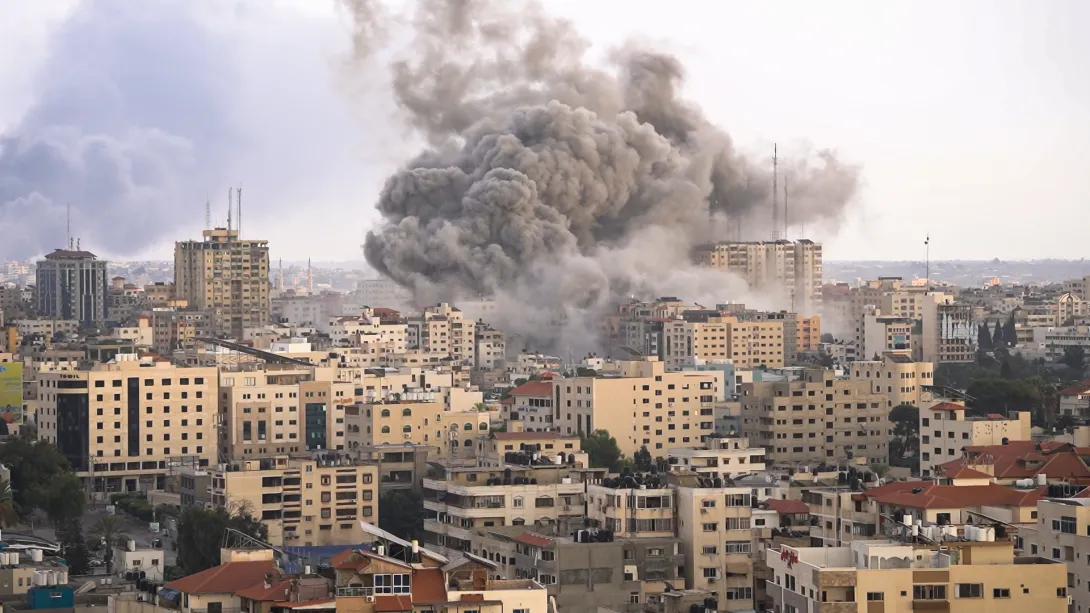
The assessment notes that these challenges are deeply rooted in the legacy of a prolonged blockade, successive military escalations, and extensive structural destruction inflicted upon housing, civil infrastructure, and vital facilities across the enclave.
Severe Overcrowding and Shelter Strain
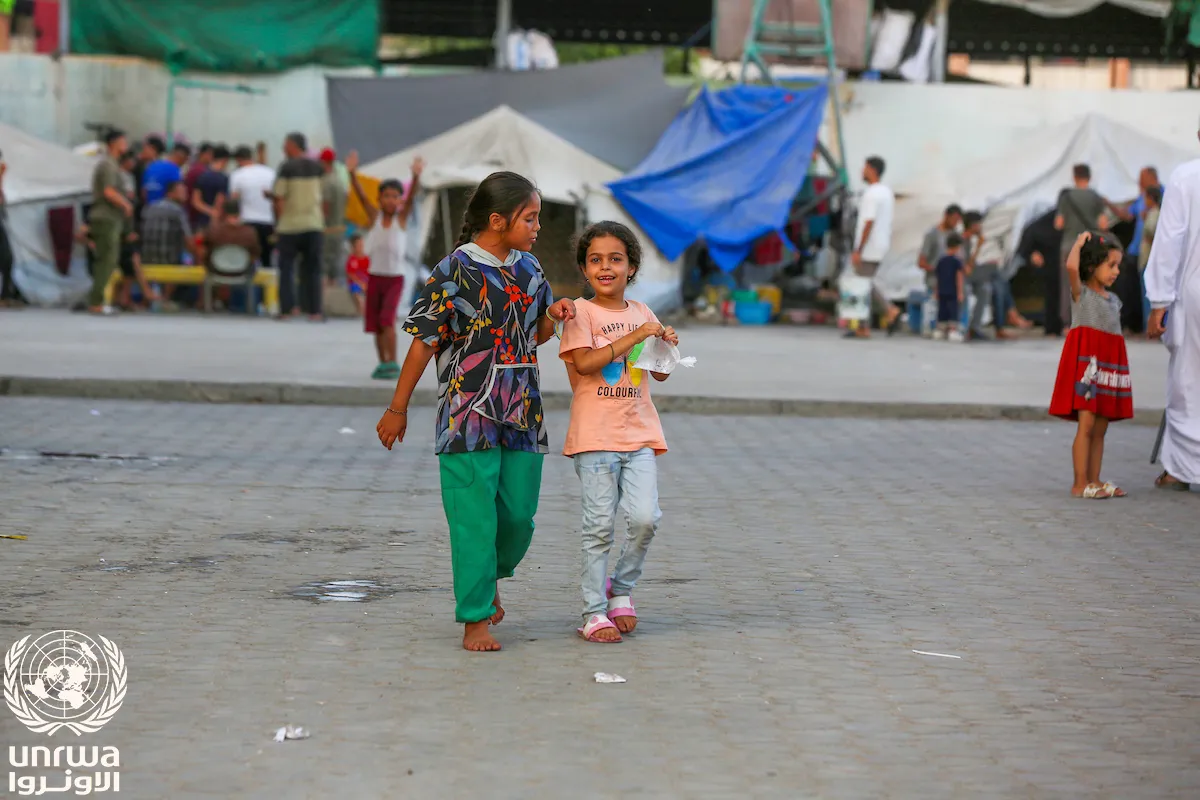
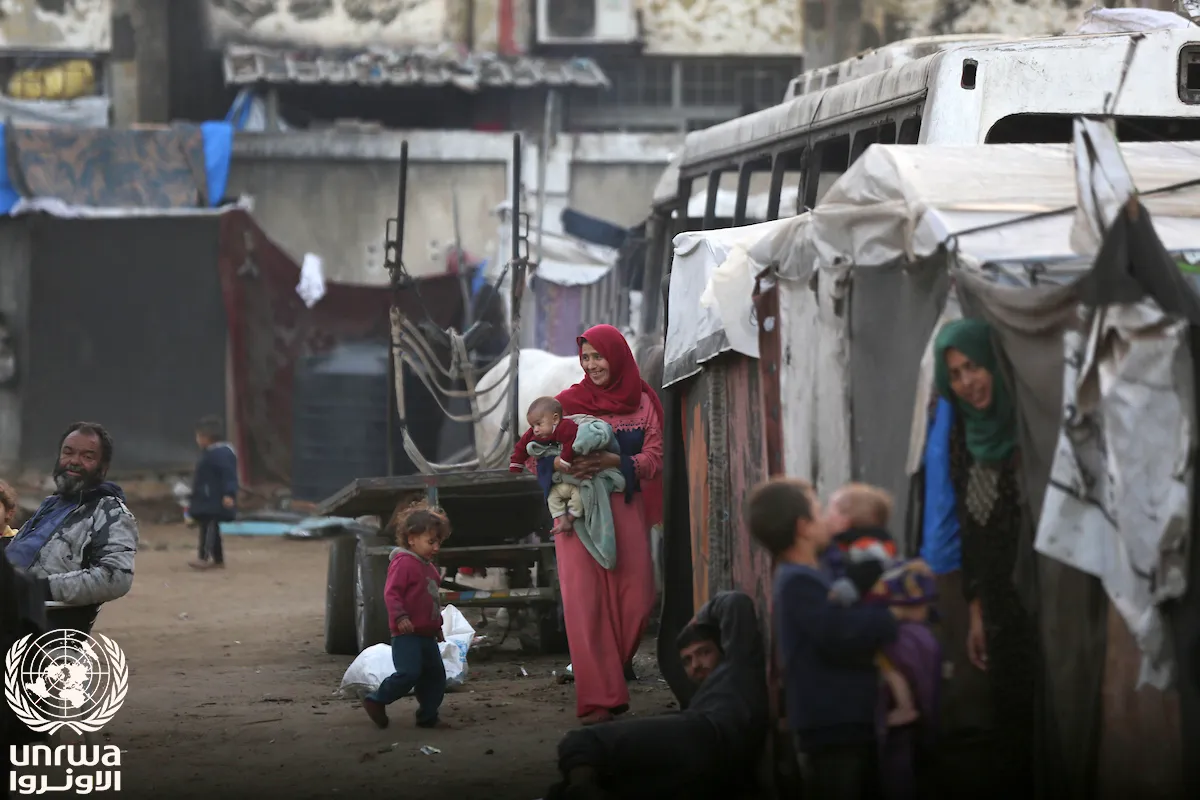
Displacement across the Gaza Strip remains widespread. The Danish Refugee Council reported that approximately 1.7 million people continue to live across more than 1,500 displacement sites. The vast majority of these individuals are sheltering in informal, heavily overcrowded locations that lack adequate basic amenities and support.
Threat of Explosive Ordnance
In addition to severe shelter shortages, explosive ordnance (EO)—including unexploded ordnance (UXO)—poses a structural and enduring danger to civilians throughout the territory. The findings indicate the following:
- Explosive ordnance contamination is present in at least 15% of displacement sites across the Gaza Strip.
- The presence of unexploded weapons directly affects an estimated 247,000 displaced individuals.
- Contamination is particularly concentrated in northern areas of the enclave.
The Danish Refugee Council highlighted that the widespread presence of explosive remnants heavily restricts safe civilian movement, prevents access to agricultural land and essential services, and impedes displaced families from safely returning to their areas of origin, thereby entrenching conditions of long-term displacement.