Norway has announced a financial contribution of NOK 25 million, equivalent to approximately USD 2.5 million, to UNICEF to help sustain critical water, sanitation, and hygiene services across the Gaza Strip, according to a report published by ReliefWeb.
Critical Funding for Water Services
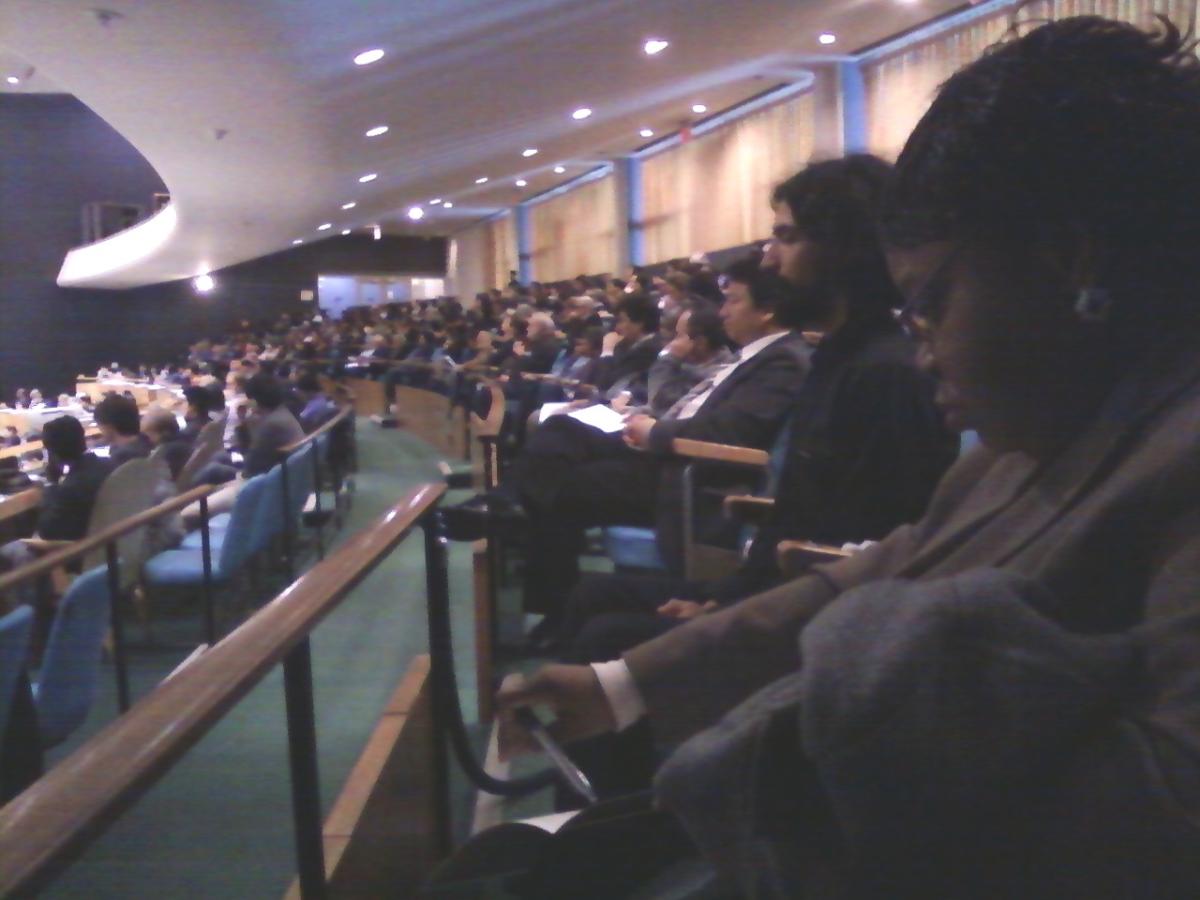
The funding is specifically designated to support the operation of essential water and sanitation facilities, which are facing severe strain. The announcement was officially made by Norway's Minister of International Development Åsmund Aukrust during a diplomatic meeting addressing the critical situation facing Palestinian children, which took place on the margins of the United Nations General Assembly in New York.
Highlighting the depth of the crisis, Minister Aukrust noted that basic conditions in the enclave have deteriorated drastically. According to the minister, "The situation in Gaza is a humanitarian crisis. Even basic needs such as access to clean water are difficult to meet, increasing the risk of disease."
He further stressed the importance of sustaining humanitarian aid operations under the current circumstances, adding that "This contribution will help keep life-saving water and sanitation services running for people affected by the crisis."
Severe Shortages Facing Residents and Children
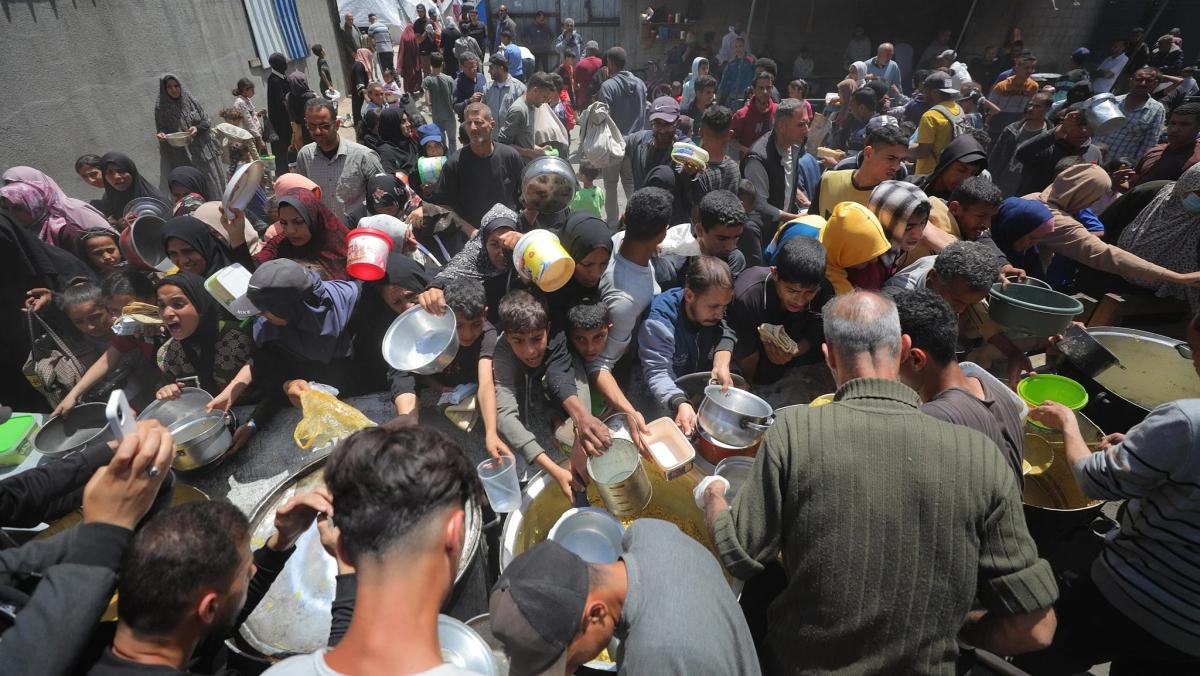
According to figures published in the report, access to clean drinking water remains extremely limited for Gaza's two million residents, roughly one million of whom are children. The acute lack of clean water has compounded vulnerabilities across the territory, with the shortage impacting domestic life, food preparation, and personal health.
Data cited by the source indicates that more than 63 per cent of the population in Gaza currently survives on less than six litres of water per day per person. Humanitarian benchmarks referenced in the report categorize access to less than 10 litres of water per person per day as a critically low level.
Standard humanitarian guidelines state that around 20 litres per person per day is generally regarded as the basic minimum required to meet fundamental daily needs, including drinking, cooking, and personal hygiene. With majority consumption standing well below this threshold, the risk of waterborne illnesses and broader public health degradation remains a major concern for relief agencies operating in the territory.
Through the NOK 25 million allocation to UNICEF, the Norwegian government aims to help bridge essential gaps and support the continuity of water, sanitation, and hygiene interventions across affected communities in Gaza.