Attacks by Israeli settlers against Palestinian farmers during the West Bank olive harvest season have already surpassed the total recorded throughout all of 2025, according to the United Nations Office for the Coordination of Humanitarian Affairs (OCHA).
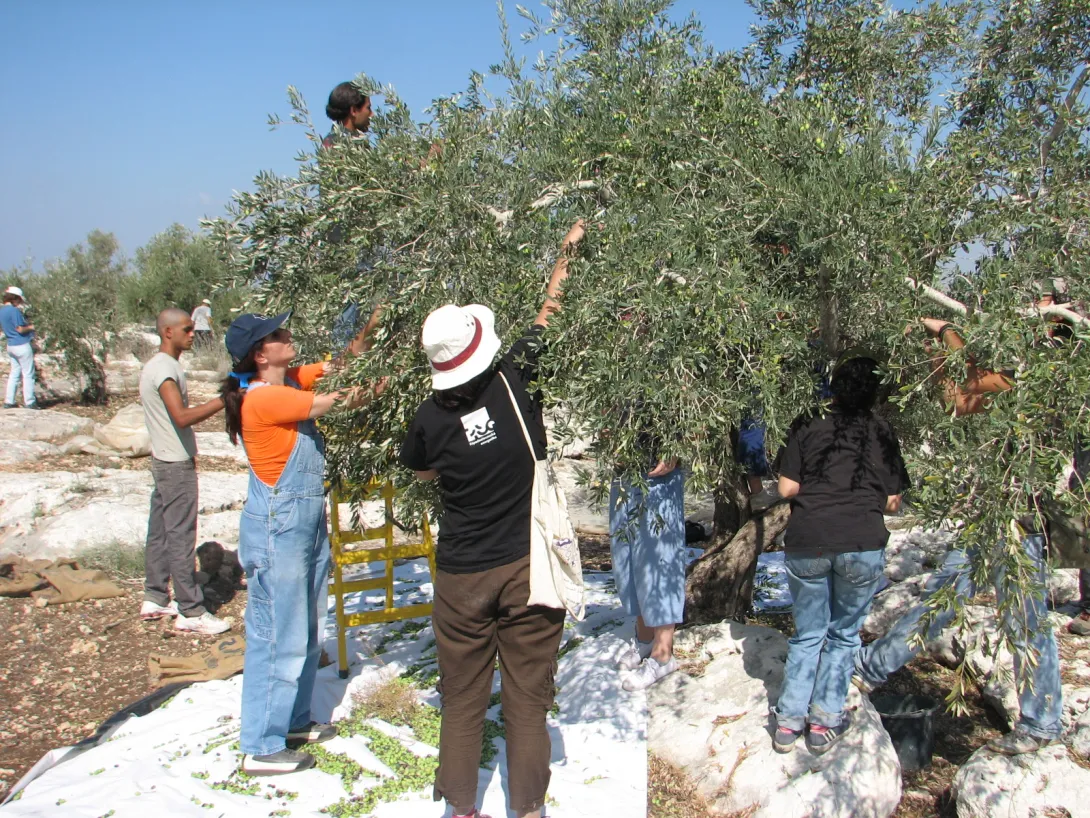
In a statement, OCHA reported that nearly 200 harvest-related settler attacks have resulted in casualties or property damage so far this season, compared to 185 incidents documented across the entire 2025 harvest. The violence has claimed the life of one Palestinian, injured more than 120 others, and caused damage to over 2,500 olive trees and saplings. OCHA noted that approximately 80 percent of these incidents occurred within the past two weeks, prompting many farming communities to pick their crop early to reduce risks.
Violent Assaults and Harvest Thefts
The escalation turned physical across several rural areas in mid-October. On Friday, around 80 settlers set fire to olive trees and threw stones in a West Bank village, according to news reports and the BBC. Al Jazeera reported that the attackers were armed with clubs and firearms. At least two people were hurt in the assault, including an American photojournalist on assignment for The Washington Post.
Agricultural property and gathered produce have also been targeted. In the al-Masoudiya area of Burqa village, located northwest of Nablus, settlers stole a Palestinian farmer's tractor along with his gathered olive harvest, according to the Palestinian news agency Wafa, quoting Dhiab Hajji, the head of the local Land Defense Committee. Settlers were also reported pelting Palestinian vehicles with stones near the Atara military checkpoint, east of Umm Safa village.
Livelihoods Under Pressure
The olive harvest is a central foundation of the Palestinian rural economy. According to a joint assessment by the Food Security Cluster, Protection Cluster, and the UN Office of the High Commissioner for Human Rights, approximately 750,000 dunums are planted with olive trees in the West Bank. The agencies noted that olive oil accounted for around 15 percent of agricultural GDP in a 2020 benchmark, with between 80,000 and 100,000 families relying on olives and olive oil as a primary or secondary income source.
Access restrictions imposed by Israeli authorities have further disrupted farming activity. Wafa reported that Israeli troops blocked farmers from reaching their groves in Kafr Ni'ma, west of Ramallah. Meanwhile, humanitarian organizations are tracking entry limits enforced near settlements and along the 712-kilometre-long Barrier, while distributing tools and providing legal aid to farming communities.
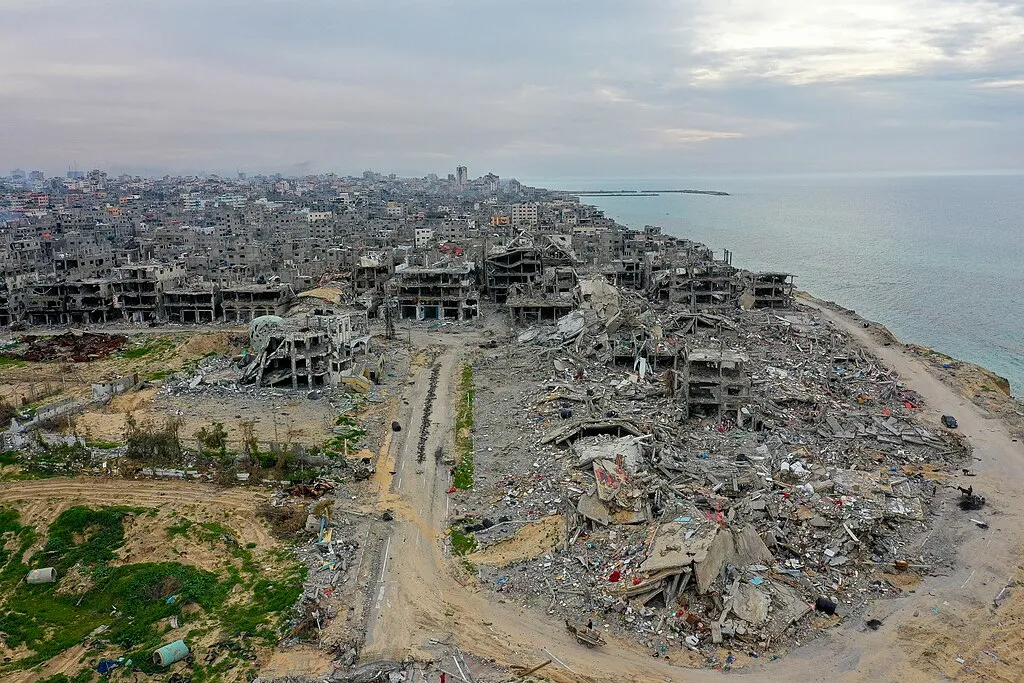
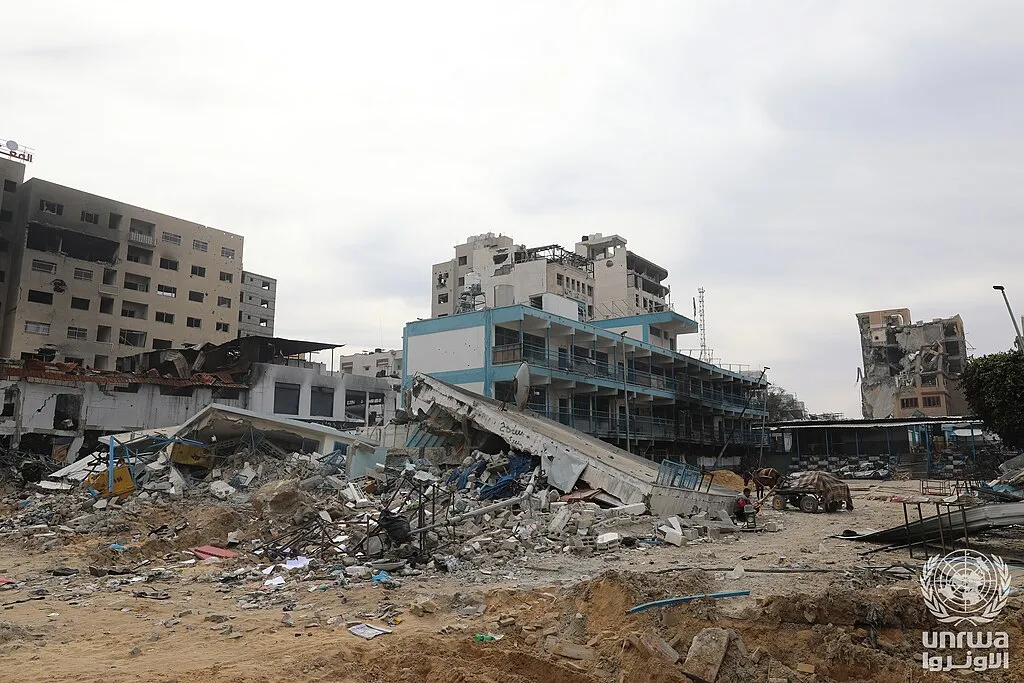
In the Gaza Strip, olive cultivation faces severe disruption as well. According to humanitarian partners cited by OCHA, the destruction of farmland, movement curbs near the border line, and severe restrictions on importing supplies, engine oil, and spare parts have crippled harvesting and the functioning of remaining olive presses.