A full year after a United States-brokered ceasefire agreement took effect on 10 October 2025, Israeli forces continue to carry out fatal attacks, enforce severe restrictions on basic humanitarian aid, and prevent reconstruction across the Gaza Strip, according to United Nations monitors and human rights organizations.
Rather than bringing security or relief, the past twelve months have seen unrelenting military violence. According to the Palestinian Ministry of Health, ongoing Israeli assaults have killed at least 1,400 Palestinians and wounded 4,881 others in Gaza since the ceasefire was declared. The ministry noted that these casualties have raised the total death toll since October 2023 to more than 74,000, among them over 21,000 children.
Verified Toll and Continuous Fire
The UN Human Rights Office in the occupied Palestinian territory reported that it has independently verified 1,076 conflict-related deaths between the ceasefire announcement and the end of July 2026. This verified figure includes 268 children, 126 women, and 682 men, with women and children constituting 37 percent of the documented fatalities.
The UN agency warned that Palestinians remain exposed to steady Israeli fire both close to and far from the so-called “yellow line,” raising serious concerns over persistent violations of international law, including war crimes. One father of three in Gaza conveyed the daily reality to the UN office:
“This is not life; this is endless torment with no end in sight. Human life has no value anymore.”
Failed Relief and Blocked Reconstruction
In a comprehensive assessment, Human Rights Watch stated that Israel has persisted in acts of genocide and crimes against humanity, citing forced displacement and extermination. The organization pointed out that the Board of Peace, established under United Nations Security Council Resolution 2803, was tasked with monitoring adherence to the Comprehensive Plan to End the Gaza Conflict. That plan committed the parties to delivering widespread humanitarian aid and rebuilding essential civilian infrastructure.
Despite those formal obligations, Human Rights Watch found that:
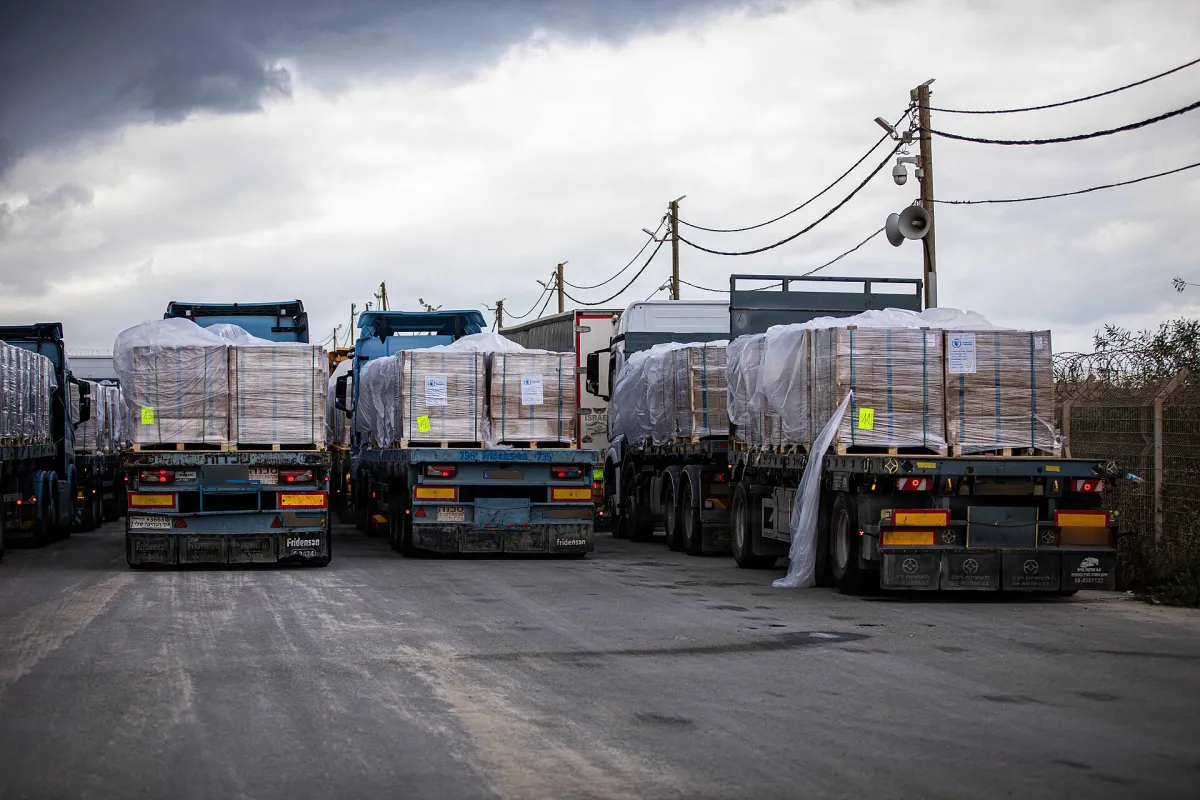
- Supplies of food, medical support, and clean water remain suppressed far below actual needs.
- Crucial humanitarian access corridors have faced persistent blockages.
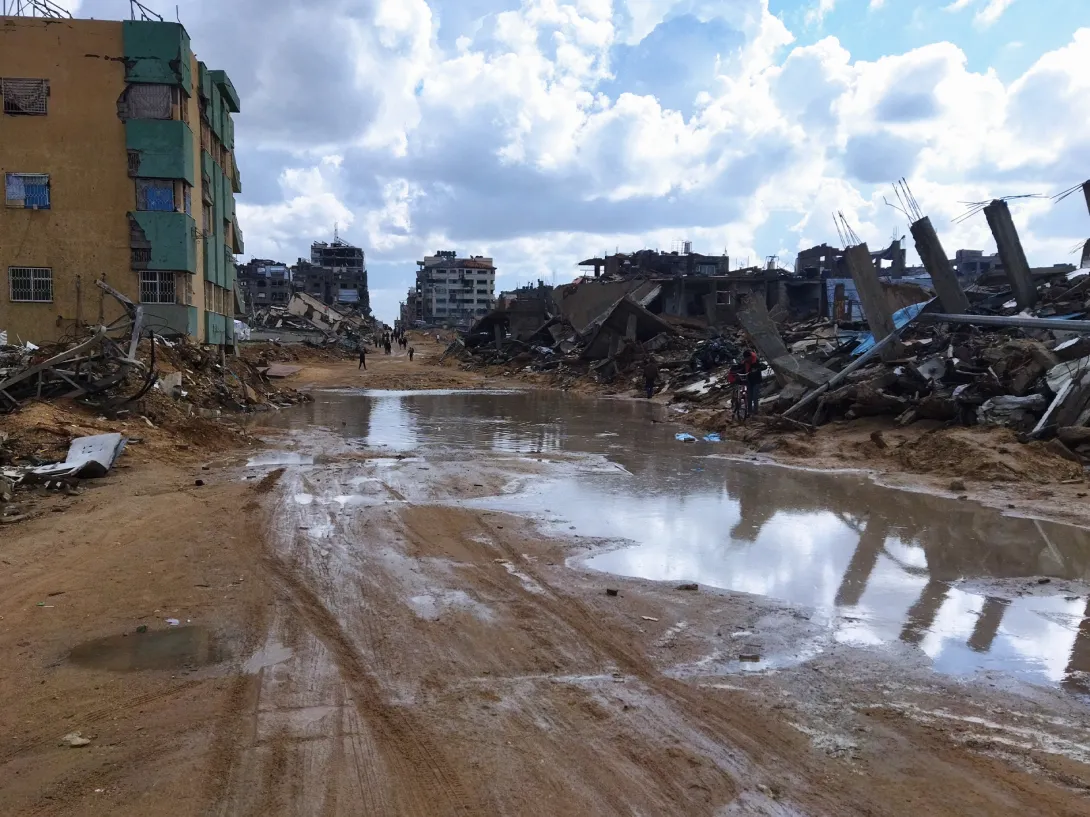
- Rights-based physical reconstruction has failed to start anywhere in the territory.
Sarah Sanbar, an acting researcher with Human Rights Watch, cautioned:
“The outside world may be under a dangerous illusion that life in Gaza is returning to normal, but reality tells a very different story.”
Fresh Strikes and Widening Violence
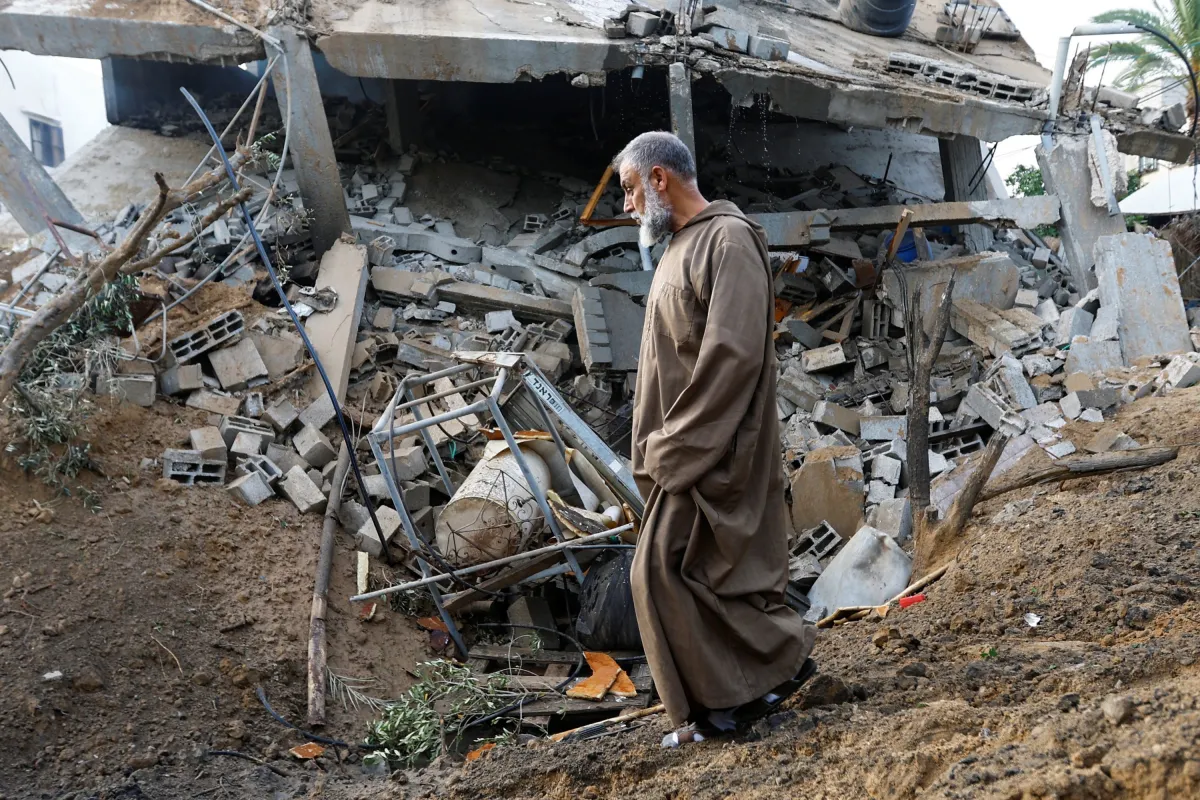
Military strikes have not relented even on the anniversary itself. In Gaza City, an Israeli attack destroyed a residential building in the Al-Rimal neighbourhood, as reported by Al Jazeera. At the same time, violence has widened beyond the strip; in the occupied West Bank, settler attacks have disrupted the local olive harvest, while pro-Palestinian demonstrations were staged worldwide to condemn the continuing violence under the nominal truce.